
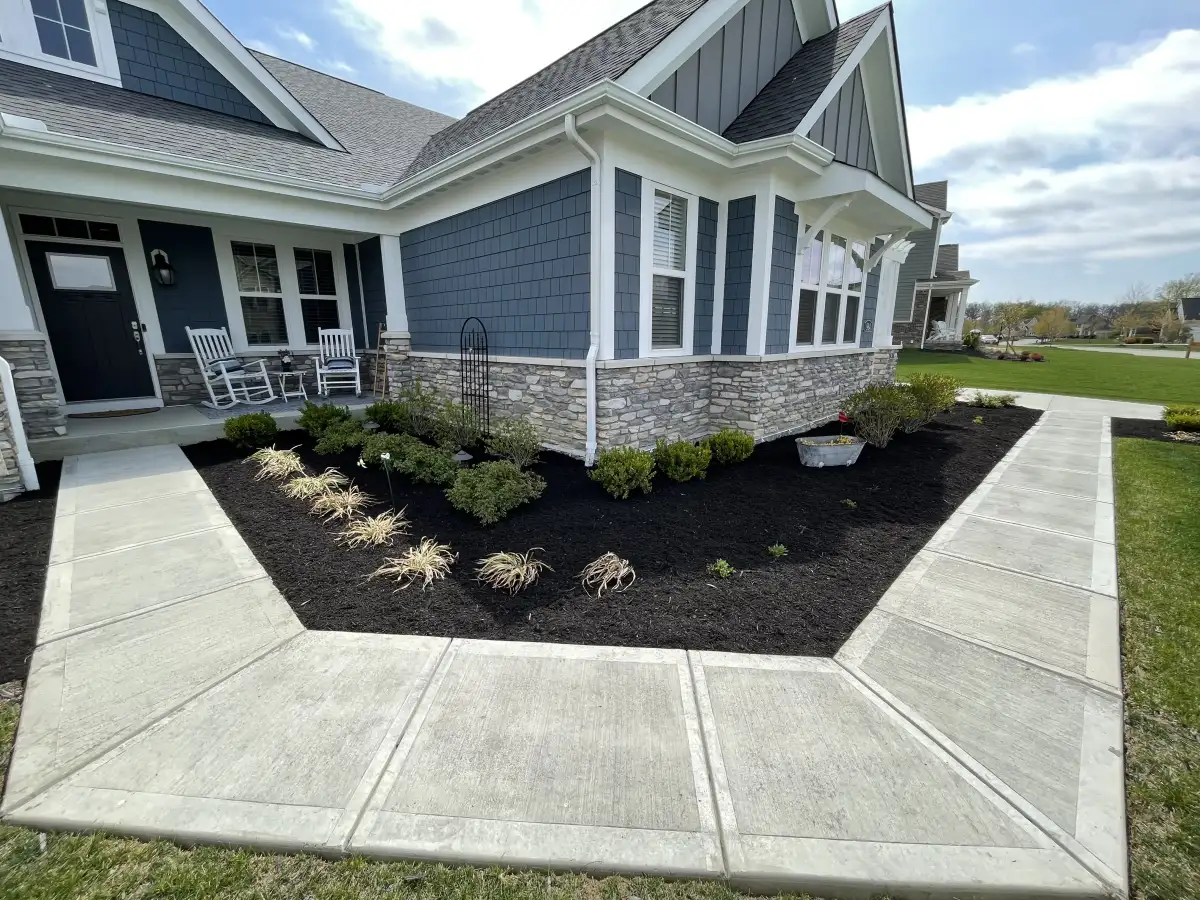
Booking a landscape install is easier when the first conversation is about the property rather than a list of plants. A new bed, refreshed foundation planting, privacy screen, or larger outdoor update can involve removal, soil and grade conditions, drainage, access, materials, and future maintenance. Those details determine whether two estimates describe the same finished result.
For homeowners planning landscape installs in Bellefontaine, Ohio, the goal is to settle the decisions that affect the work before the schedule is set. Use this guide to prepare for an estimate, compare scope, and identify questions that still need an answer.
Quick booking checklist: identify the area to change, the main result you want, features that must stay, visible water or slope concerns, access limits, preferred timing, and the amount of ongoing care you are comfortable handling.
What should be decided before requesting an estimate?
Begin with one or two priorities. You might want a cleaner front entry, better separation from a neighboring property, less overgrowth around windows, or planting that connects a patio to the lawn. Note what must remain and which areas are flexible. Photos from several angles can help explain the relationship between beds, walks, downspouts, doors, and lawn access.
You do not need to arrive with a finished design. You do need to explain the problem, the area involved, and how you expect to use and maintain it. That distinction keeps the conversation focused on a workable result instead of an unconnected plant list.
What site conditions should be reviewed before plants are selected?
Sun exposure, water movement, slope, existing roots, overhead and underground utilities, door and window clearances, mower routes, and equipment access can all change a planting plan. Walk the area after rain and note water that collects, soil that stays soft, mulch that washes, or downspouts that concentrate runoff.
Bellefontaine maintains a public storm water management program; that does not determine what any one yard needs, but it is a useful reminder that runoff is bigger than the finished bed. If water or elevation appears likely to affect the work, discuss drainage solutions and grading before plants and mulch go in.
What should a written landscape install estimate make clear?
A useful estimate should identify the area being changed and the work included. Depending on the project, that may cover removal, bed preparation, quantities and sizes of plants, mulch or other finish materials, delivery, installation, cleanup, and restoration around the work area. If transplanting, edging, lawn repair, or disposal matters, ask whether each item is included.
Also confirm how material substitutions or scope changes are handled and who is responsible for watering and care after installation. Comparing complete scopes is more useful than comparing totals when one proposal includes preparation, cleanup, and aftercare guidance that another leaves unaddressed.
What is usually the most expensive part of landscaping?
There is no single answer that applies to every Bellefontaine property. Removal and preparation can be a major part of one project, while grading, drainage, difficult access, larger plant material, or extensive bed construction may drive another. The visible plants are only one piece of the total.
Ask what conditions have the greatest effect on your estimate and whether the plan can be divided into sensible phases. If phasing is considered, preserve access for later work and coordinate fixed elements first. Future patios, walkways, or retaining walls can affect bed lines, elevations, and drainage routes even when they are not part of the first phase.
Does the rule of three make a planting plan better?
The “rule of three” is a design guideline that uses repetition or odd-numbered groupings to create rhythm. It can help a bed feel intentional, but it is not a requirement and it does not replace site planning. A grouping still needs enough room for mature growth and must fit the available sun, water, visibility, and maintenance level.
Ask how the planting will look as it fills in, not only on installation day. Spacing that looks open at first may be deliberate. Crowding plants for an immediate full appearance can create conflicts with windows, walks, or neighboring plants as they mature.
What mistakes should new homeowners try to avoid?
Common planning mistakes include treating drainage as a later issue, choosing by current plant size instead of mature size, blocking access to utilities or future projects, and underestimating maintenance. Another is changing every bed at once before learning how sun, water, and daily traffic move through the property.
A smaller first phase can be the right choice when priorities are still developing. Keep the whole property in view, then build the areas that solve the clearest problem first. That approach can also make later mulching or landscape maintenance easier to plan.
How much maintenance will a new landscape require?
Maintenance depends on the planting mix, bed size, growth habits, and the level of finish you want to preserve. Establishment watering, weeding, pruning, mulch renewal, and seasonal cleanup should be discussed before booking. Ask which tasks begin immediately, which are seasonal, and whether ongoing service is a separate scope.
Installation and maintenance are not the same purchase. If you want help after the install, request that work separately so responsibilities and costs are clear. If you plan to handle it yourself, ask what care the selected plants and finished beds will need during establishment and as they mature.
Landscape install FAQs for Bellefontaine homeowners
What should be decided before booking a landscape install?
Identify the area to change, the problem you want solved, what should remain, how much maintenance you want, and whether future patios, walks, grading, or drainage work could affect the layout. A clear priority list helps turn a broad idea into a comparable scope.
What is usually the most expensive part of landscaping?
There is no single costliest item for every property. Removal and site preparation, access, grading or drainage needs, plant sizes and quantities, material choices, and labor can each drive the total. Compare complete written scopes instead of assuming the plants alone set the price.
What is the rule of three in landscaping?
The rule of three is a design guideline that repeats plants or arranges them in odd-numbered groups to create rhythm. It is not a requirement. Mature size, sunlight, water, visibility, and maintenance should determine whether a grouping fits the property.
Should landscape maintenance be priced separately from installation?
Yes. Installation and ongoing maintenance are different scopes. Ask who handles establishment watering, pruning, weeding, mulch renewal, seasonal cleanup, and plant care after installation so the responsibilities and future costs are clear.
Does Raileys Services provide landscape installs in Bellefontaine, Ohio?
Yes. Bellefontaine is in the Raileys Services LLC service area. Homeowners can request an estimate for landscape installs and discuss related grading, drainage, mulching, hardscaping, or maintenance needs.
Plan the next step for your Bellefontaine property
Raileys Services LLC can review the area, discuss the result you want, and help define a landscape installation scope that accounts for planting, preparation, water movement, access, and future care. Contact Raileys Services for an estimate or call (937) 243-9488.